Food
3 Characteristics
-
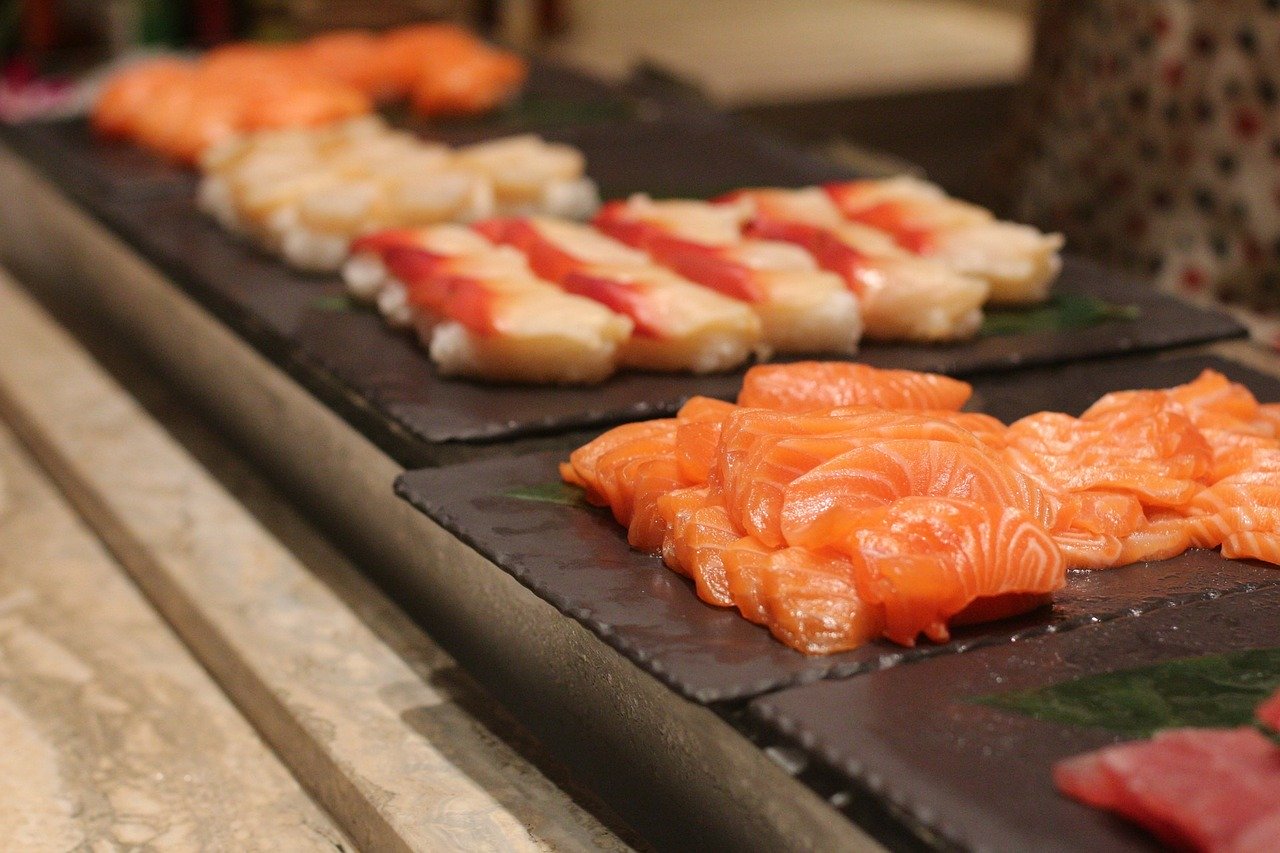
The Japanese like "fresh" and "raw" food
According to the Japanese concept, fresh food is the most nutritious and the most vigorous period of life in the body. The best period of consumption of any organism is its freshness. And because Japan is an island country, surrounded by the sea, we can see that Japan's most common sushi and sashimi are made from raw seafood.
-
The Japanese value the "balance" of food
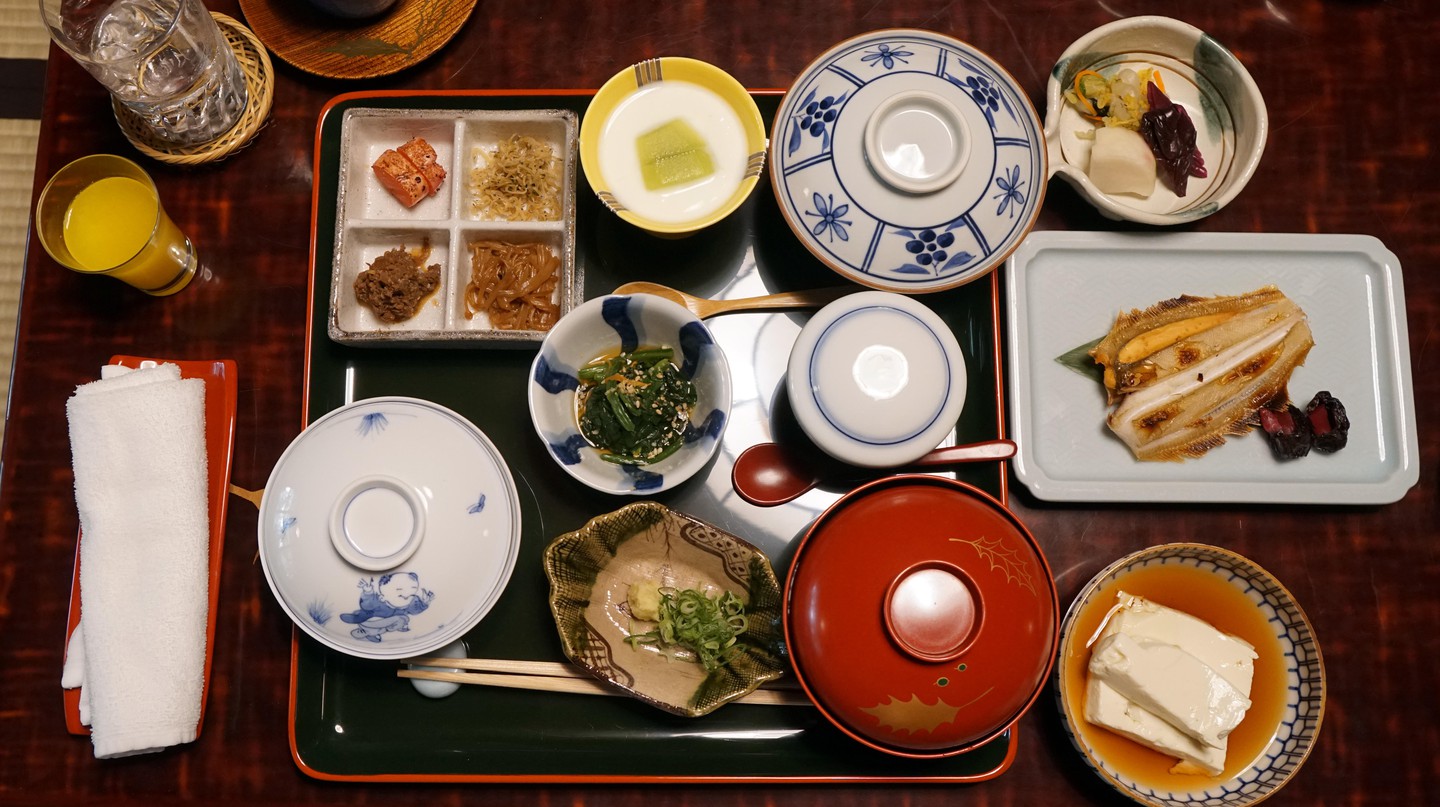
Japanese cuisine is also known as "Washoku". This refers to the harmonious integration of various foods in Japanese culture. In China, there is a saying of "yin and yang". In addition to the influence of China, the Japanese also believe that food is also divided into "yin" and "yang". The combination of food needs to ensure the balance of "yin and yang".
On the other hand, seasonality is also one of the important definitions of “Washoku”. Seasonal circulation deepens into Japanese culture, which is also reflected in their dress and food. Japanese people respect nature. They don't like cross-season food. They think that specific agricultural products can be harvested at specific time and made into food to ensure their nutrition and flavor.
-
The art of eating is very important in Japanese food culture
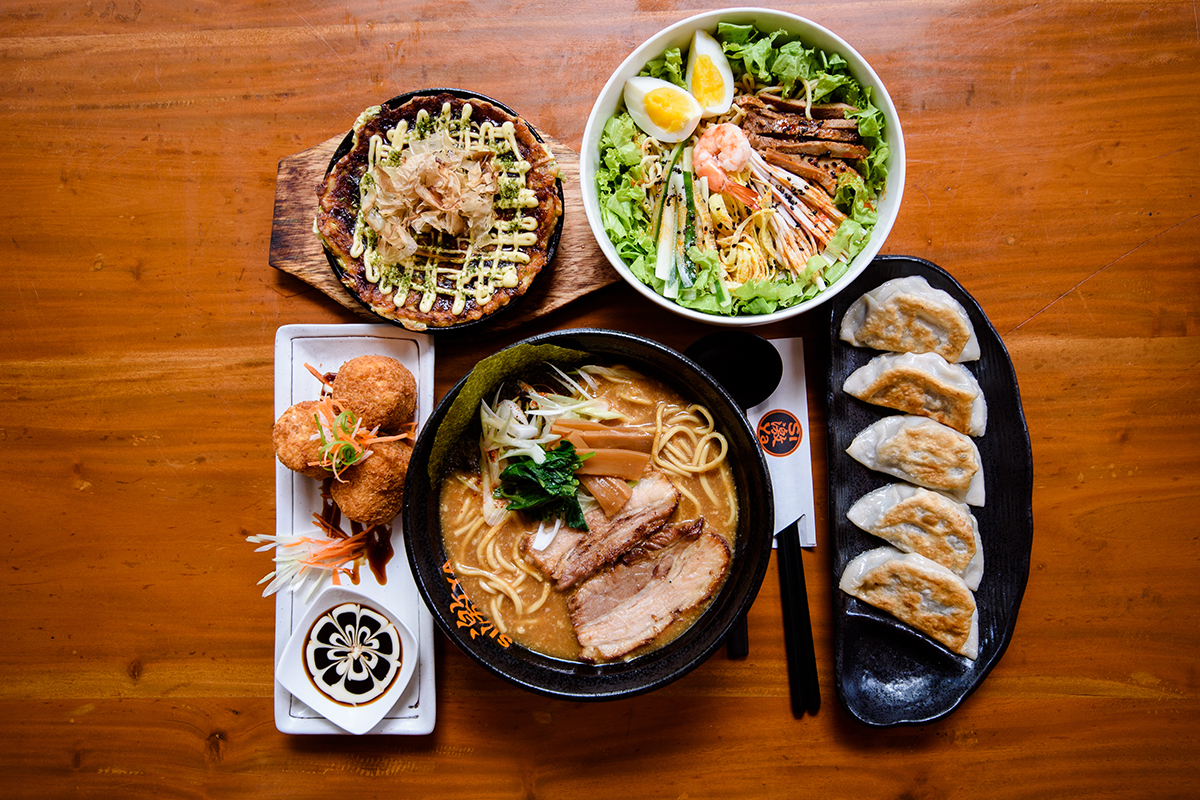
Friends who have been to Japan should resonate with Japanese cuisine. Japanese food is declicious, but Japanese cuisine is more pleasing to the eye. Through careful matching, the Japanese made the food shape perfect, giving a visually significant impact. Even the sashimi sold in the supermarket is quite smart in shape and color.
Japanese traditional food recommendation
-
Sushi and Sashimi
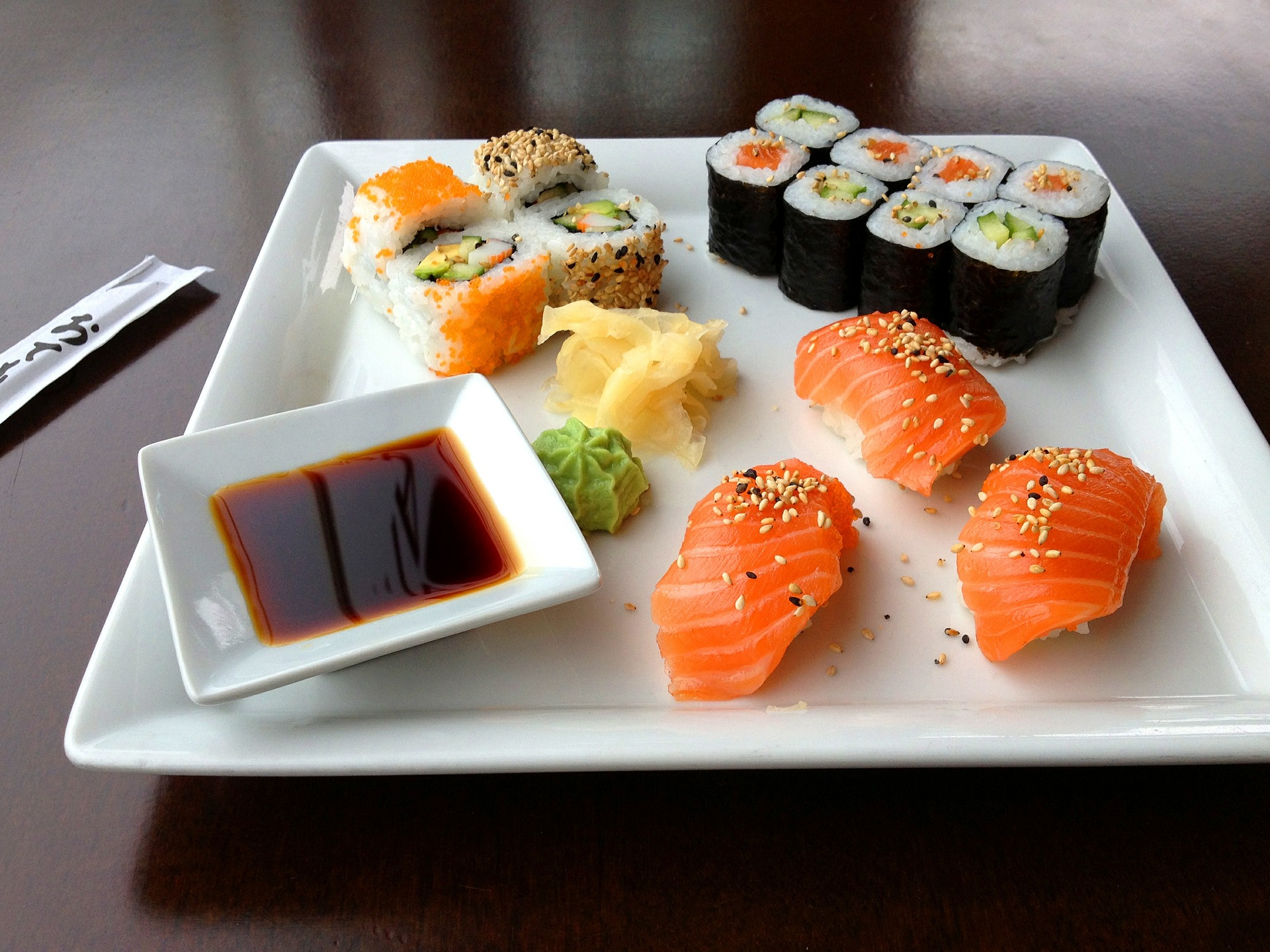
One of my favorite Japanese food is also the most famous Japanese food. The common ones are salmon and tuna sushi and sashimi. Personally recommend traditional salmon sushi and caviar sushi. If you don't like raw food, try eel sashimi. Sashimi made from cooked food is also very common.
-
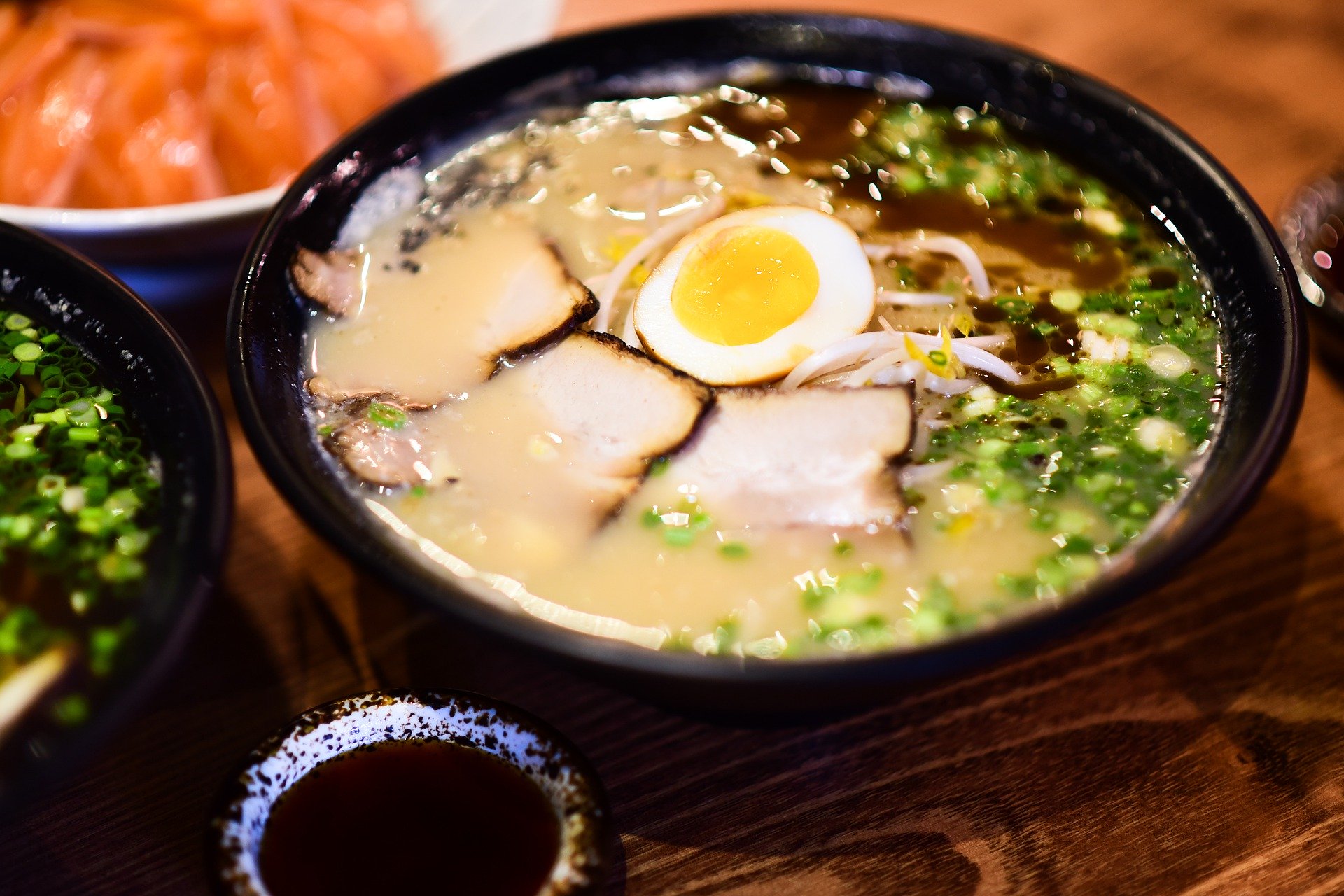
Ramen
Ramen is also a Japanese food. The usual ramen is tonkotsu soup and miso soup, which I also highly recommend. Other ramen with spicy curry soup or fish soup, friends who are interested must go to Japan to taste.
-
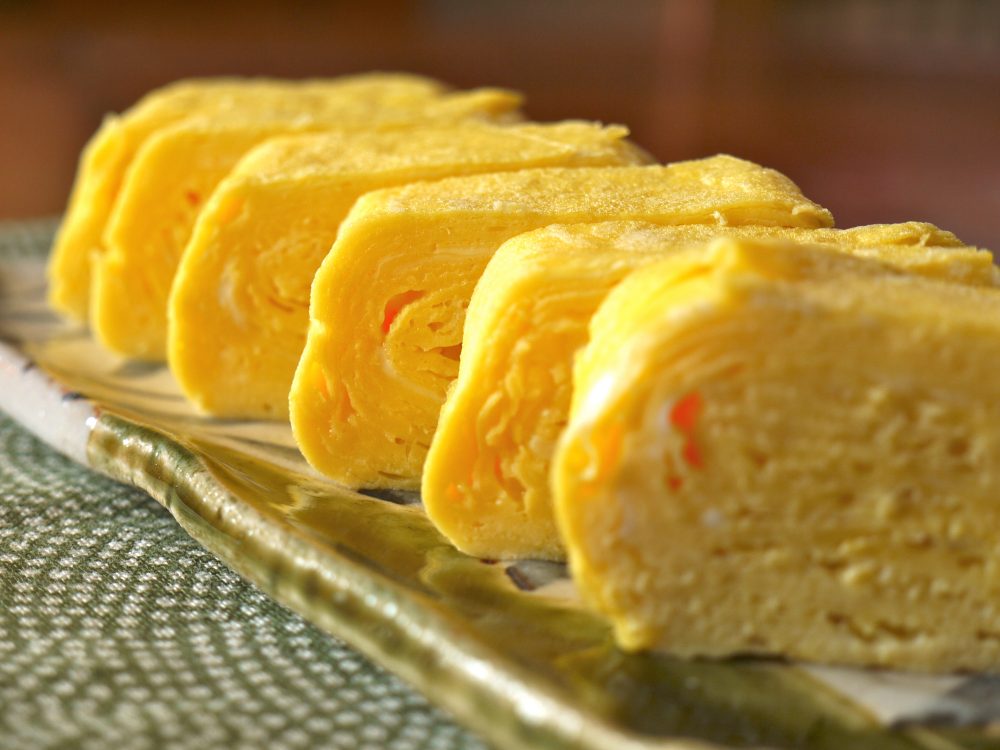
Tamagoyaki
Tamakiyaki is a type of Japanese fried egg made by rolling several layers of fried eggs together. Generally, Japanese sweet soy sauce or sugar is added during production. Tamakiyaki is a type of Japanese breakfast that can be paired with other dishes.
-
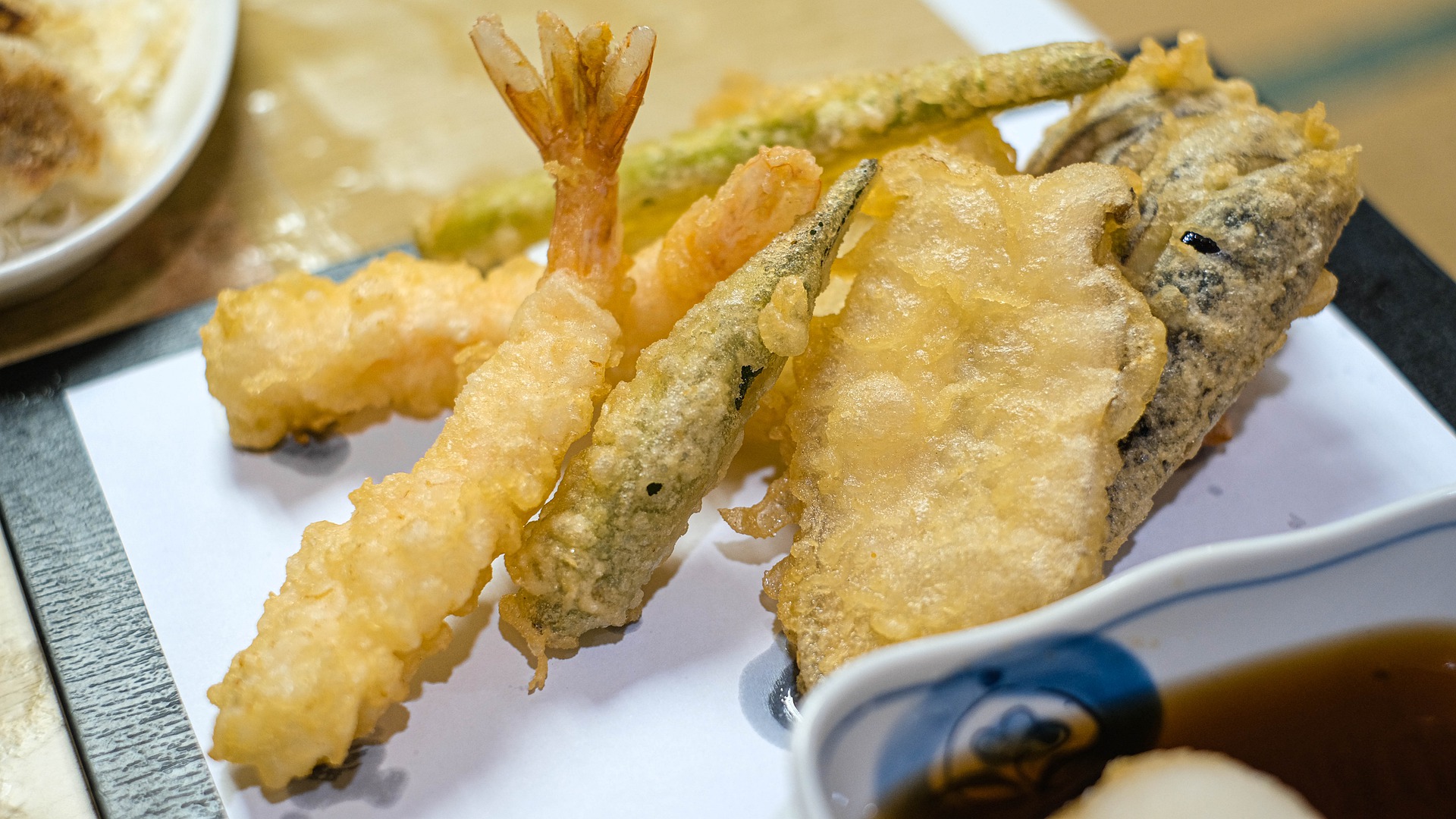
Tempura
Tempura is a Japanese dish made by frying vegetables or seafood. Common tempura is made from shrimp, but there are other types of tempura, such as scallop tempura. Must-eat food when going to Japan
-
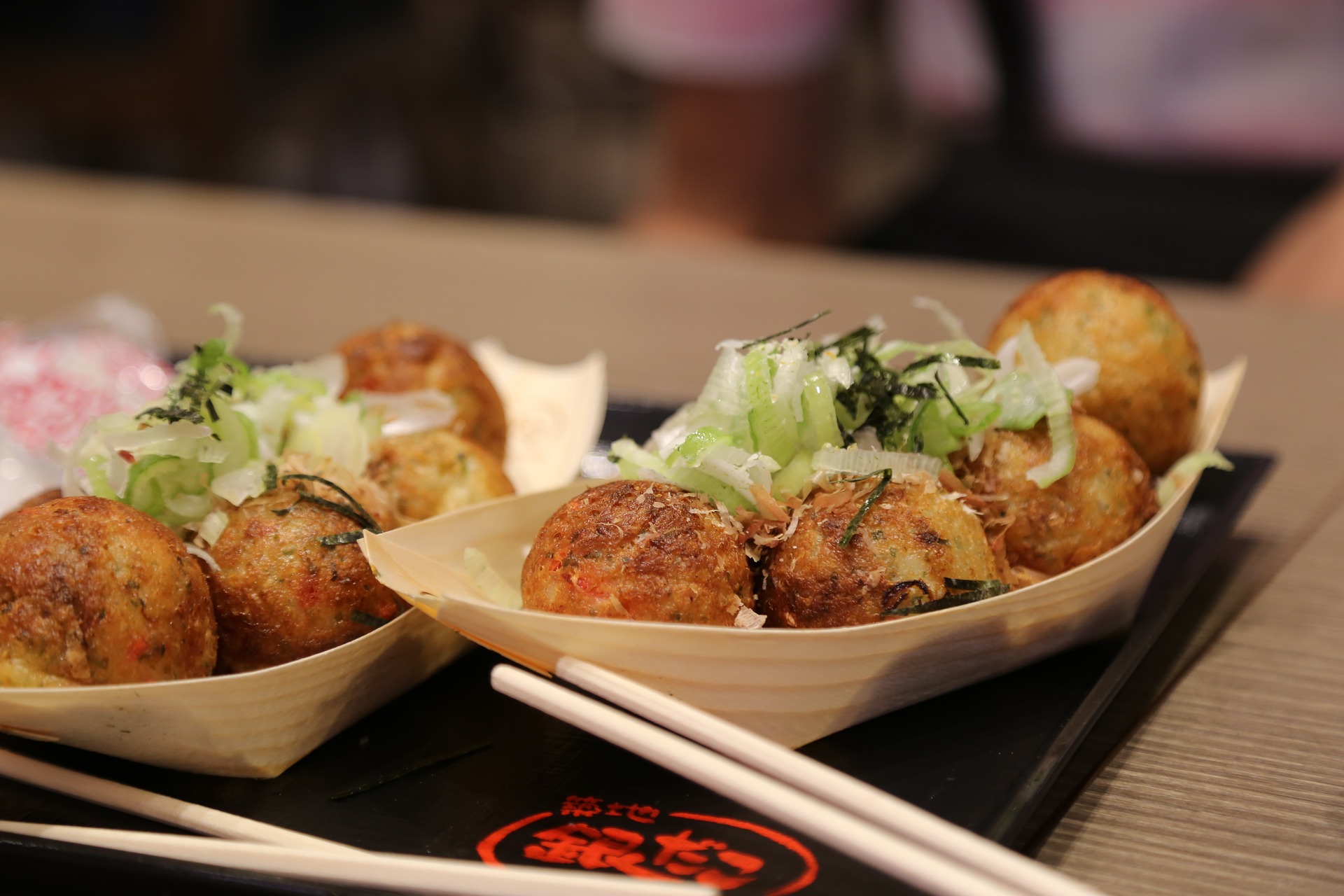
Takoyaki
Takoyaki is a Japanese specialty snack, usually a spherical food cut from flour and octopus. Takoyaki is usually a Japanese street food served with mayonnaise and seaweed. Highly recommended for friends who visit Japan.
-
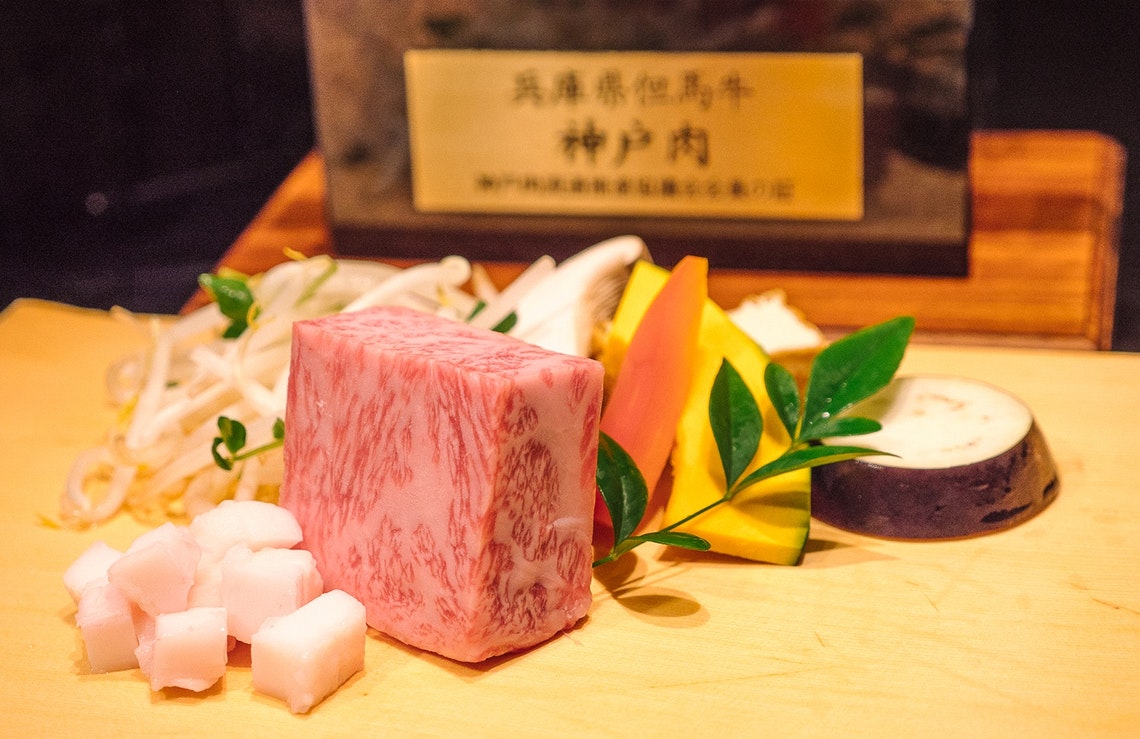
Kobe beef
Kobe beef is a kind of Wagyu beef in Japanese. Kobe beef is usually made into Japanese steak or sukiyaki. Kobe beef has a delicious taste due to its unique cultivation method and environment. If you have a chance, please try it.
-
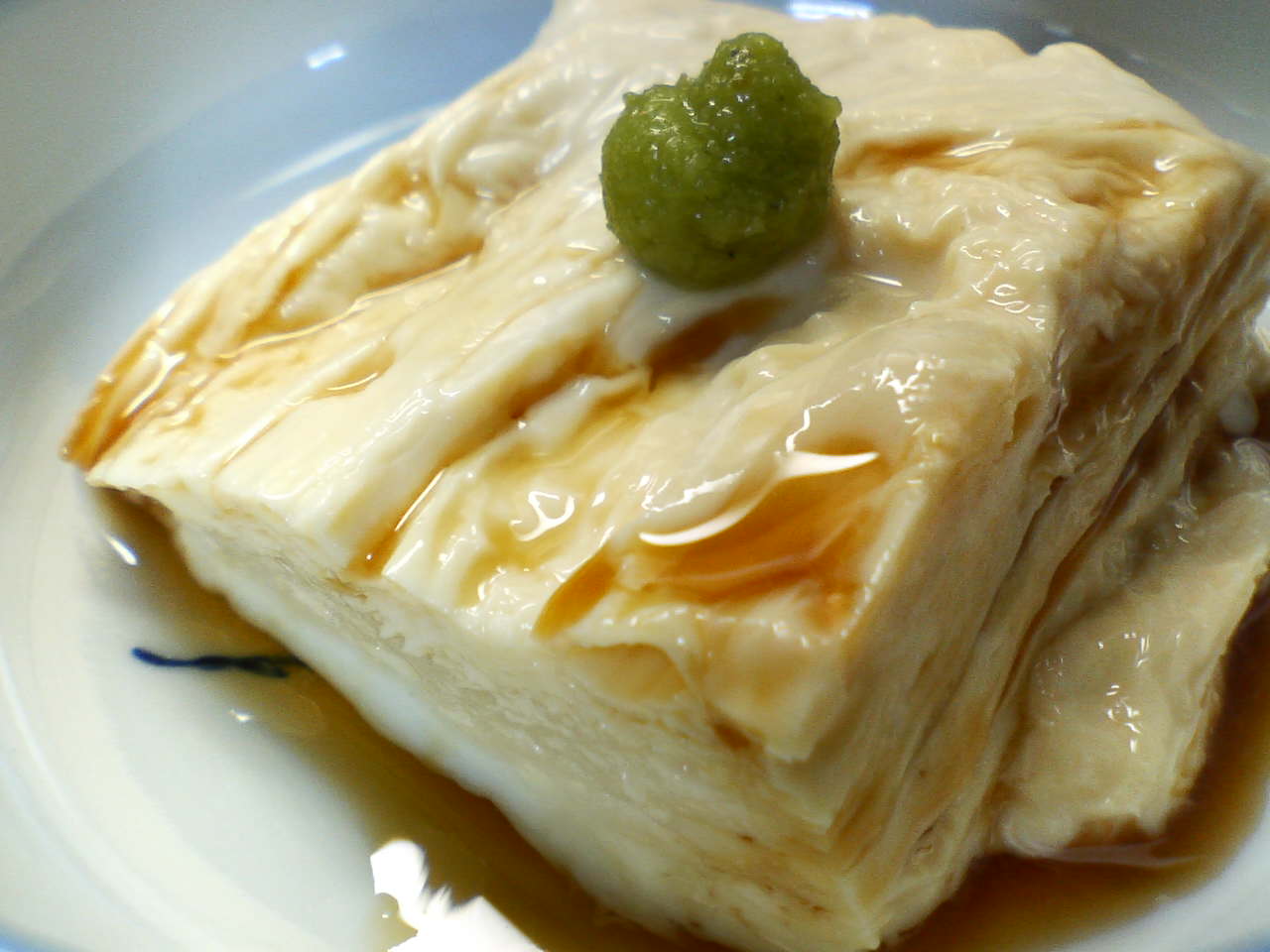
Japanese Tofu Skin (ゆば)
ゆば is Japanese Tofu Skin. Japanese tofu skin originated in China, but after a long period of improvement, it formed its own unique flavor. Because meat has been banned for some time in Japanese history, soy products have become a staple. And Japanese tofu is also made into many different dishes.
-
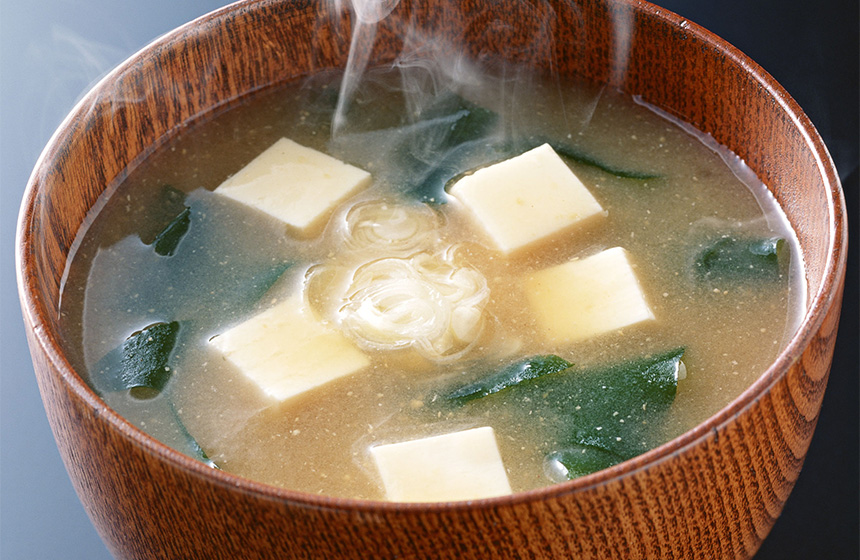
Misoshiru
Misoshiru is Japanese miso soup; a common traditional soup in Japan. Miso soup is delicious, especially when kelp and spring onion are added, it can be a delicious dish. It is one of the essential foods for Japanese people every day. Miso soup is rich in protein and is a delicious and healthy dish.
